Why Domestic Servitude Is So Hard To Detect🦋
Domestic servitude is happening in private homes throughout the state of Michigan, and all across the United States. It's a quiet crime, where victims are hidden behind closed doors, making it almost impossible for cases to be identified with ease.
These exploited domestic workers often come to the U.S. from other countries. They are lured into providing domestic help in private homes under false pretenses. Employers then may confiscate their documents, or use threats or violence to trap them into working.
Local Pontiac organizations like Hope Against Trafficking are working along with law enforcement to reduce, then eliminate these types of human trafficking cases in Michigan. Labor exploitation and taking away a person's own free will is a serious crime. Keep reading to learn more about the role modern slavery plays in domestic work.
Key Takeaways
- Domestic servitude is difficult to identify. It often takes place in private homes, making it harder for police and neighbors spot the signs.
- Because hiring help for household chores like cleaning and childcare is very common, many people mistake those trapped into domestic slavery for doing legal work.
- Employers often threaten their victims into staying silent or take away their identification to trap them. The UN Human Rights Council states that many migrant workers are commonly trapped into debt bondage situations.
- Some warning signs of domestic servitude include isolation, withheld pay or documents, signs of physical injuries, working long hours for little to no pay, and limited interaction with family or friends.
- Groups like Hope Against Trafficking provide services and safe housing for trafficking survivors in Michigan.
Factors That Make Domestic Servitude Hard to Detect
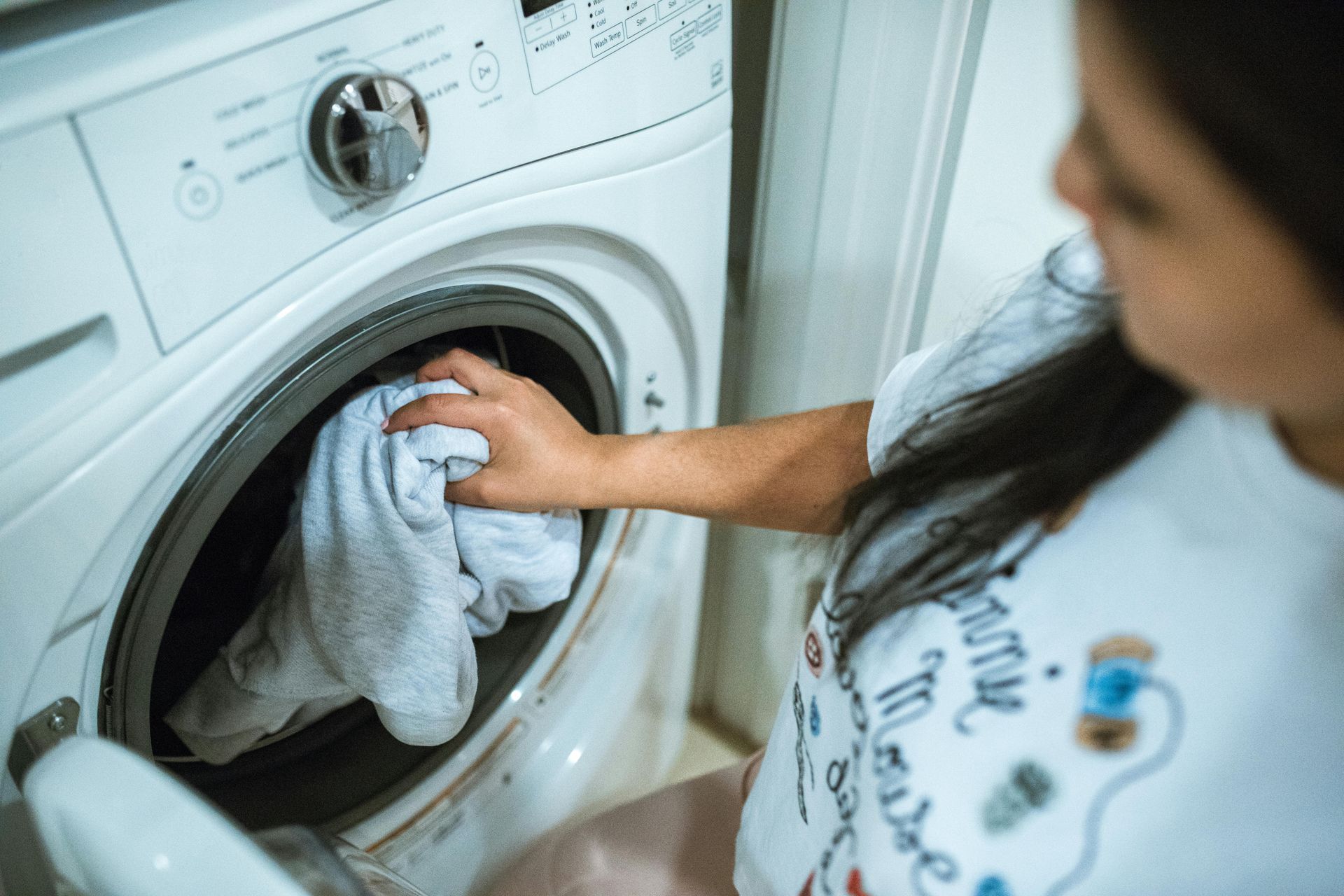
Domestic servitude can easily hide in plain sight. Victims live and work in private homes, making it easy for them to remain hidden. Many neighbors and friends confuse their work as legal, unaware of the abuse that's occuring.
Isolation of Victims in Private Homes
When it comes to a domestic case of enslavement, you'll rarely see workers outside of a private residence. This is because they are usually on call 24 hours a day.
Migrant domestic workers may travel between rural and urban locations often and not know anyone other than their trafficker. This is why you'll hear stories about real cases where domestic workers spend years locked inside a home or apartment with no contact with family or the rest of the world.
This extreme level of isolation prevents laborers from access to proper healthcare or having any chance of escaping debt bondage. Additionally, these private living conditions make it almost impossible for outsiders to uncover trafficking crimes in these types of spaces.
Lack of Awareness and Misidentification as Legal Work
Another major issue that aids in the cover up of human trafficking in homes, is that people often confuse domestic servitude as normal household help.
In some countries, as well in parts of the United States, domestic workers are categorized as informal “help.” Because of this wording, vulnerable individuals are excluded from crucial job protections including receiving a minimum wage, healthcare, holiday pay, social security benefits, and even maternity leave.
According to The International Labour Organization, everyday chore work such as cooking, cleaning laundry, childcare and elder care is often poorly regulated worldwide. More effective laws and enforcement is needed to protect Michigan communities at risk of human trafficking.
Fear and Coercion Preventing Victims from Seeking Help
Victims are harder to identify because their employers use tactics such as fear and coercion to keep them silent and hidden away in family homes. Traffickers will also use threats, violence, and intimidation to control them.
Taking away identity documents is particularly dangerous for domestic workers from other countries. Without ID documents, like a passport, they are left unable to prove who they are or to leave on their own. Some migrants are tricked into repaying impossible debts for recruitment fees.
Sex trafficking cases and forced marriages are also common in domestic trafficking situations. Young girls live under the constant threat of sexual enslavement, being separated from their loved ones, or getting deported.
These are just a few reasons why trafficking victims are reluctant to contact a service like the Modern Slavery Helpline or a local task force that could save them from illegal child labor.
Warning Signs of Domestic Servitude
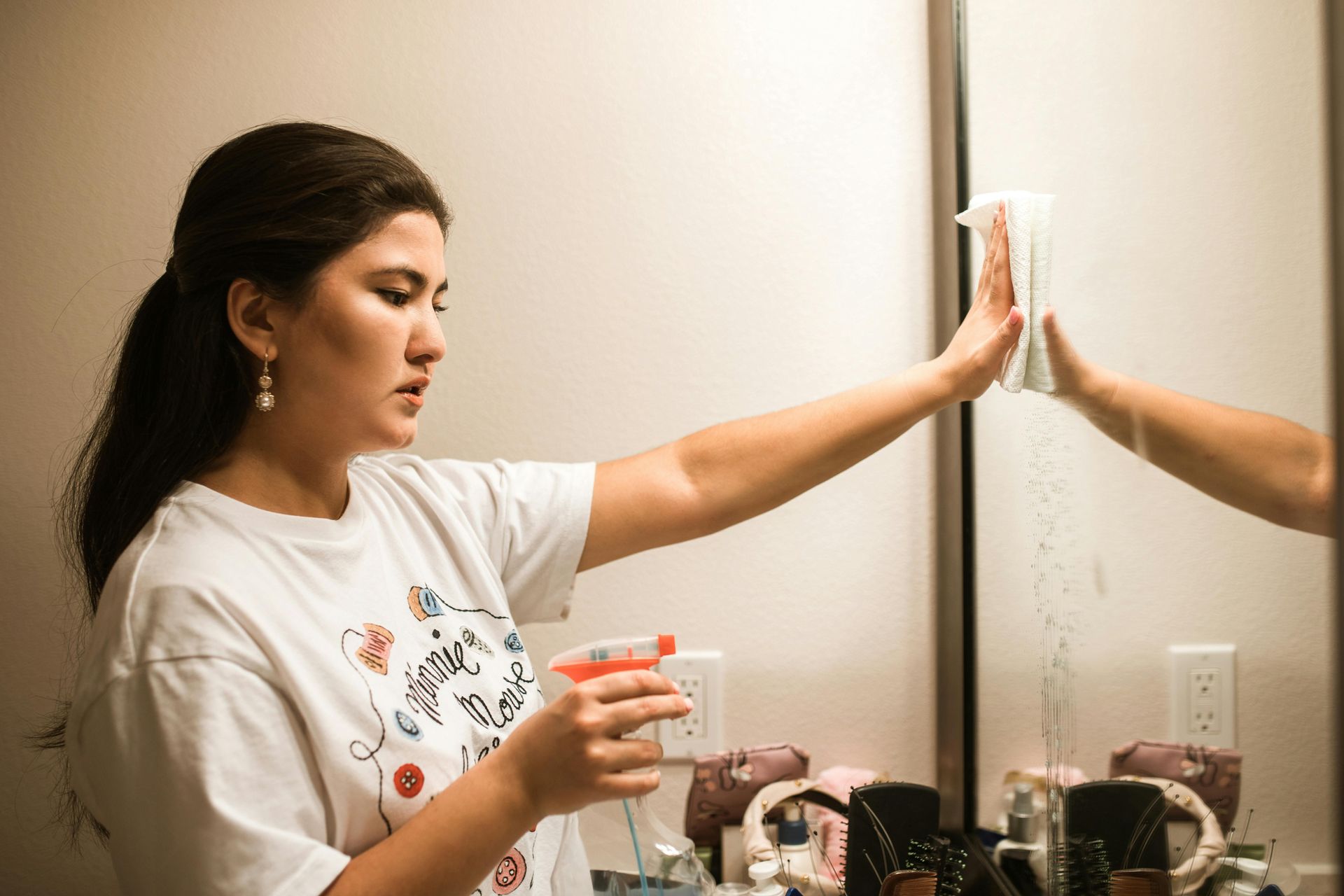
Understanding the warning signs of domestic servitude can help with
victim identification to spot those that are being controlled. Here's what to look for:
- Victims are often isolated in private homes where they both live and work.
- They may work as nannies or housekeepers, but their movement is restricted and they can't leave the home freely.
- They do not have access to important documents like their passports or IDs.
- Victims work long hours, sometimes up to 18 hours a day, with no time off or basic needs like healthcare.
- You may notice untreated injuries or signs of physical abuse.
- They tend to be fearful and may avoid eye contact when asked about their situation.
- Workers are isolated from any contact with family and friends.
- Their social media posts will display a normal life, rather than revealing their true reality.
Support Victims Through Awareness
Identifying domestic servitude to this day still remains a challenge for local groups and authorities alike. Because many of its victims are hidden in private homes and locations, it makes them almost invisible to the public.
You can help make a difference by learning how to spot this form of modern slavery, and sharing resources with others to help spread awareness. To learn more and get involved in your local Michigan community, get in touch with us at Hope Against Trafficking today.
FAQs
1. Why is domestic servitude a hard form of slavery to identify?
Domestic servitude from the outside looks just like regular childcare or cleaning services. This seemingly normal practice makes it easy for traffickers to keep their victims hidden.
2. How does domestic servitude differ from other forms of trafficking?
Domestic labor is one of a few forms of slavery that usually occurs in private homes where it's out of sight from others. It's more difficult to catch when compared to something like labor trafficking that happens in factories.
3. Why do laws struggle to address this form of modern slavery?
Labor laws sometimes fail to cover every type of domestic service job, which leads to gaps in enforcement and legal protection. Traffickers exploit these loopholes in order to get away with illegal acts.
4. Are children at risk for hidden exploitation in household work?
Yes, child labor is no exception when it comes to modern day slavery in homes. Children can also be forced to perform household tasks or even child marriage through threats, manipulation, or use of force.