
Porn Addiction And The Brain: Why You Can’t Quit Without Help🦋
Porn addiction and the brain - is it really an addiction? Porn affects more people across the world than you might realize. Addiction to pornography consumption can be described as watching these videos over and over, even when it starts to cause negative effects in your life.
When people watch porn, it creates a dopamine response that is much higher than when you're eating food or even smoking a cigarette. This pleasure signal actually reaches a level that is nearly as high as what cocaine use would create, but it lasts much longer.
Therapy is one way we can begin to overcome this issue. Treatments like Cognitive Behavioral Therapy, Dialectical Behavior Therapy, and EMDR, and mindfulness support can all contribute to better self-control and healing. Keep reading to find out why getting professional help is essential when it comes to recovery, and how to get started.
Key Takeaways
- Porn and sexual addiction alters the brain’s reward system. This means that over time, you become less sensitive to pleasure. According to MRI scans from the Max Planck Institute, those that watched porn very often had reduced gray matter volume and a poor connection between key brain regions.
- When compared to normal sexual activity, eating, or drug use, watching porn creates a larger dopamine spike. This spike can result in desensitization, meaning that people will seek out more extreme content to achieve the same amount of pleasure.
- Long-term porn use is known to cause compulsive behaviors, emotional instability, mental conditions like depression, as well as relationship problems.
- Counseling is useful in addressing this addiction. Therapies such as CBT, DBT, EMDR can help people overcome this condition. Mindfulness-based therapy, and support groups like Sex Addicts Anonymous can help control the behavior and emotions linked to addiction.
- With expert guidance, you can improve your likelihood of recovery. Attempting to quit on your own often fails because of the way your brain changes in this condition.
How Porn Addiction Affects the Brain
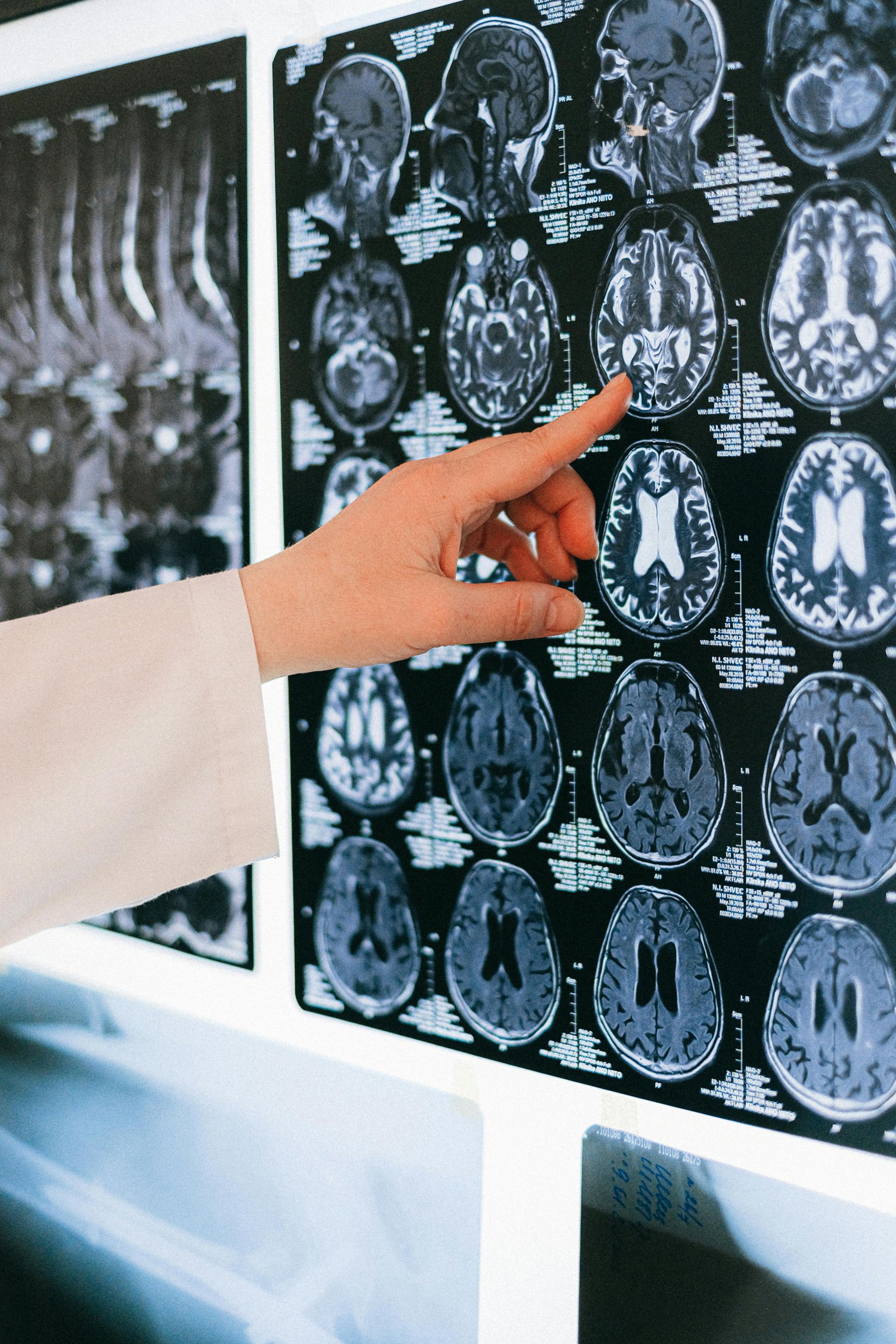
When you're addicted to pornography, your brain's reward system becomes altered. This can result in dopamine surges which desensitize you to pleasure over time.
Impact on the brain’s reward system
When a person is regularly consuming a very high level of pornography, it creates ongoing dopamine surges in the brain’s reward pathways. The Max Planck Institute found that men who had a high level of porn consumption every week had lower gray matter volume in the right caudate. This area of the brain controls a person's pleasure responses.
This cause the connectivity between your right caudate and left dorsolateral prefrontal cortex to be less funcional, and makes it more difficult to manage the desire to watch sexual content.
This means that viewing pornography feels even more rewarding than it did previously, which results in compulsive behaviors. These behaviors are strikingly similar to those of drug addicts or individuals struggling with addictive substances.
Dopamine surges and desensitization
When compared to normal activities, pornography consumption causes lengthy and powerful dopamine surges in your brain. While eating spikes your dopamine by 150 percent, nicotine will increase it by 200 percent.
Normal sexual activity will raise dopamine levels by 250 percent, but watching pornography spikes it well past 250 percent! Even more shocking, it will maintain this increased level for hours on end. You can see how these constant dopamine hits can easily overwhelm your brain’s reward system.
As time goes on, you'll find that your brain begins to get used to this regular increase of dopamine and slowly becomes desensitized. Your dopamine receptors will not respond as well, which means that in order for you to achieve the same amount of arousal, you'll need to watch more extreme or more frequent content. This is known as tolerance.
This addictive cycle of problematic pornography use can lead to long-term problems including sexual dysfunction or even emotional instability. These conditions are commonly linked to addiction disorders recognized by the American Society of Addiction Medicine.
Long-Term Neurological Effects of Porn Addiction

If not managed, long-term addiction to pornography can result in significant brain changes, compulsive behavior and emotional instability. These issues can seep into your daily life and cause poor relationship satisfaction.
Increased compulsive behaviors and emotional instability
Excessive porn use can lead to compulsive sexual behaviors. Habits and patterns may appear in the form of a repeated desire to watch pornography, even when you are trying to stop. The effects of pornography on your brain can make people want to chase after even bigger dopamine spikes so they can experience pleasure or get relief from stress.
This condition is not exclusive to just men either. Many women get caught up in the shame and trauma of this addictive cycle and develop coping mechanisms such as shame or avoidance.
Those regularly consuming high levels of pornography also have increased levels of emotional issues including depression, anxiety, and loneliness. Heavy use of pornography has also been known to create relationship problems such as loss of trust and less satisfaction in your sex life.
Why You Need Professional Help to Quit

To overcome porn addiction, you'll need the help of a skilled therapist to guide you. You can receive help in a 1:1 setting, through support groups like Sex Addicts Anonymous, or peer support groups in your local communitiy.
Therapy and support systems
Professional guidance is instrumental to getting you back on the road to recovery and a healthier lifestyle.
- Cognitive Behavioral Therapy helps you start changing your thought patterns around pornography and recognizing triggers.
- Behavioral Addiction Therapy addresses the compulsive sexual behavior and underlying causes behind your addiction.
- Dialectical Behavior Therapy helps you manage intense emotions linked to your addiction, while building healthier ways of coping through a combination of CBT and mindfulness techniques.
- Eye Movement Desensitization and Reprocessing is a method that helps you reprocess distressing or traumatic memories, reducing their emotional impact over time.
- Mindfulness-Based Therapy focuses on learning to be compassionate with yourself and accept your feelings without judgment or shame.
- Support groups such as Sex Addicts Anonymous connects you with others who are struggling with similar issues. Groups like these can keep you motivated towards your goals and build community.
Starting therapy and seeking help through a treatment program does not mean you are weak. It's an important first step in rewiring your brain to overcome porn addiction and build better habits.
Overcome Porn Addiction Once And For All
People attempting to overcome an impulse control disorder such as porn addiction will need more than just willpower to succeed. Working with experts like mental health professionals or sex addiction therapists can support you with the guidance you need to speed up your journey to recovery.
Once your brain has been altered from frequent exposure to pornography it can make quitting extremely difficult. However, with the right support and therapy, you can end the cycle and reclaim control over your actions.
FAQs
1. What is porn addiction and how does it affect the brain?
When looking at brain activity, porn addiction acts similarly to substance abuse disorders. Ongoing heavy pornography exposure actually alters brain structure, particularly the grey matter that affects a person's impulse control. Over time, this process can result in high dopamine release and cue reactivity for pornography users, making it difficult to stop this mental disorder without professional help.
2. How do dopamine levels relate to porn addicts?
Compulsive pornography use leads to very strong dopamine release in the brain. If this pattern continues, it can reduce your natural dopamine levels and shift your reward pathways.
These changes are similar to those found in drug addiction and other substance use disorders, resulting in withdrawal symptoms and side effects when the user attempts to stop.
3. Is there scientific proof that porn affects mental health and behavior?
A systematic review of studies has revealed a link between internet-use sexual habits and mental health issues such as compulsive disorder and sexual violence.
4. Why is it so hard for people to quit without professional help?
The addiction model breaks down how compulsive porn use alters a person's neural pathways. These pathways are linked to pleasure-seeking behaviors similar to substance addiction, and shown through an fMRI study of men. This is why getting professional help from a sex addiction therapist or mental health professionals can help you break this sexual behavior disorder.