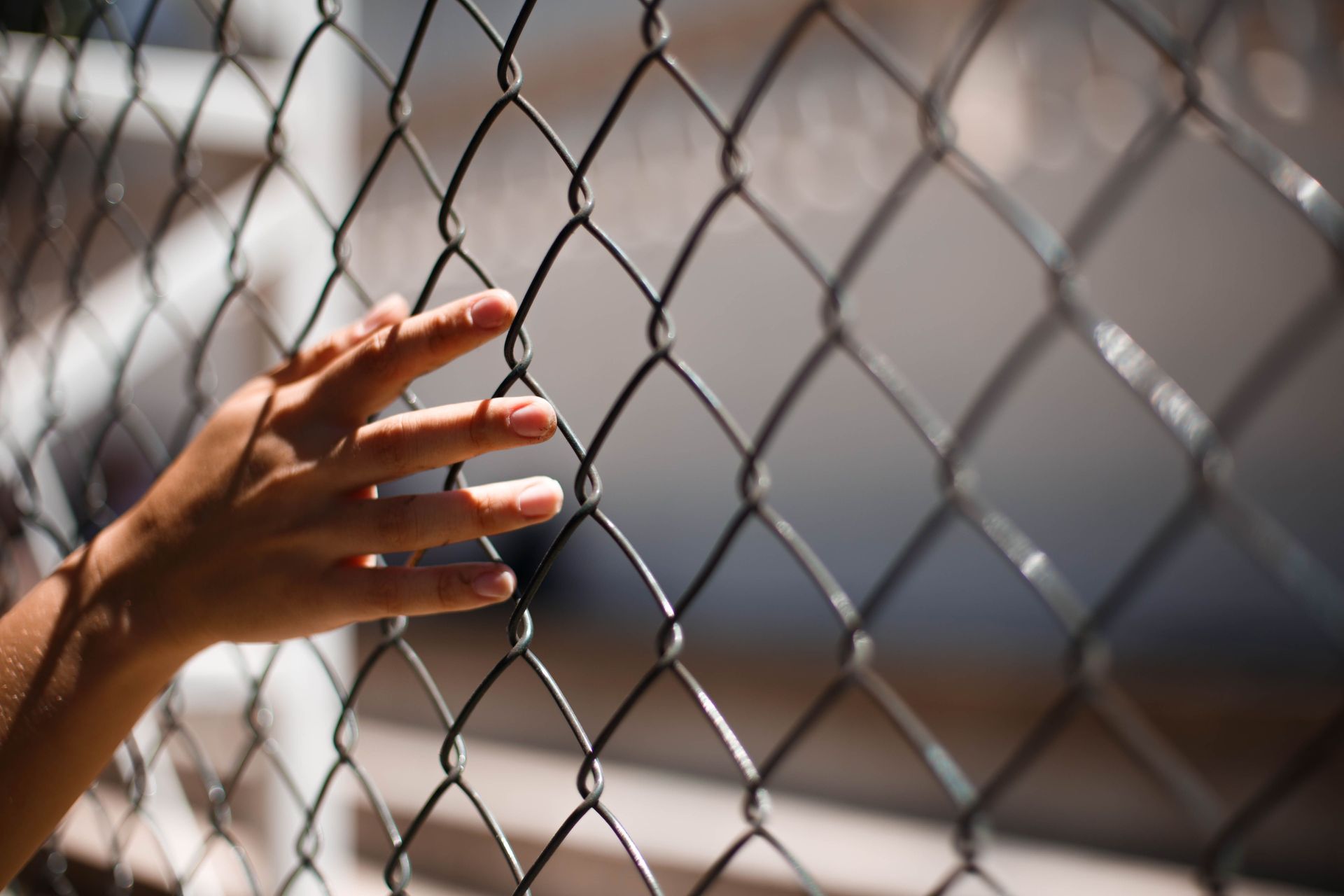
Where Does Human Trafficking Occur The Most? What To Know🦋
Human trafficking is a serious crime that impacts the global population. Victims are forced into labor, marriage, or sexual exploitation against their will every single day.
The scale of this issue is also staggering. Countries in Asia and the Pacific region account for more than half of all global forced labor and marriage cases. Europe, Central Asia, the Americas, and Africa are other highly affected areas, with multiple millions of victims.
But this crime is also happening much closer to home than you might understand. Michigan is constantly subject to regular trafficking investigations, making this issue particularly important to local Detroit residents.
In this post, we'll explore where trafficking is happening, what factors are contributing, and what you can do about it in your local community.
Key Takeaways
- Asia, Africa, the Middle East, Europe, and the Americas account for millions of human trafficking cases every year. These cases include forced labor, sex trafficking, as well as child labor for those under 18 years of age.
- Trafficking hotspots commonly include transport and busy urban areas such as highways, ports, airports, border crossings, train stations, and casinos.
- Two main drivers of trafficking are poverty and political instability. Regions that have inadequate law enforcement efforts usually have higher rates of trafficking.
- Traffic cameras and their security footage are instrumental in helping law enforcement and task forces monitor and arrest traffickers in states like Michigan.
- To support survivors, you can donate to local anti-trafficking groups such as Hope Against Trafficking.
Global Hotspots for Human Trafficking
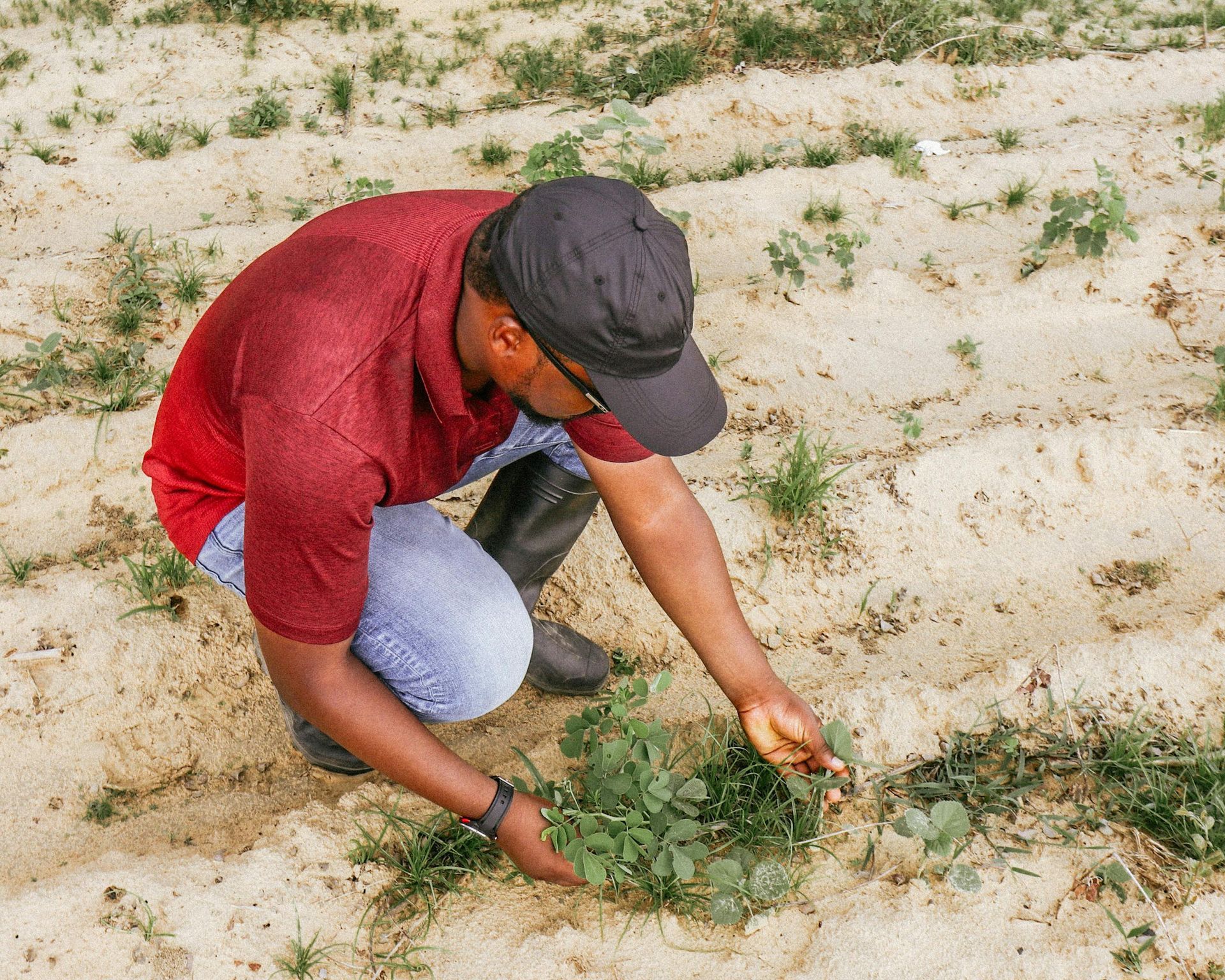
Trafficking is a worldwide problem and can occur anywhere. However, it is more concentrated in some areas, from Asia, to the Americas.
Asia-Pacific Region
Asia is known to have very dense population, and a large amount of migration. The Philippines, India, and Thailand are commonly linked to trafficking crimes due to economic inequality, and lack of employment opportunities. Industries such as manufacturing, fishing, and domestic work, are especially vulnerable to trafficking.
Africa and the Middle East
Political instability is another common factor that creates economic hardship and breeds illegal crimes like trafficking. Migration also plays an important role. For example, countries like Libya and Nigeria are essential transit locations. Migrants attempting to exit the country by way of smuggling can become victims of human trafficking, coerced into forced labor or performing commercial sex acts against their will.
In the United Arab Emirates and Saudi Arabia, migrant workers doing domestic work and construction are at high-risk of forced labor. These destinations have limited legal protections for workers, making it hard for victims to break free from abusive conditions.
Europe, Central Asia, and the Americas
Forced labor in the construction and agriculture industries are common in these locations, as well as sex trafficking. In Ukraine and Romania, victims are frequently recruited, then sent to countries like Germany or the UK.
These crimes usually include some cross-border movement, with victims moving from Eastern European countries and Central Asia to Western European countries with more money. Risk factors for trafficking include organized crime, migration, and economic inequality.
Factors Contributing to High Incidence Areas
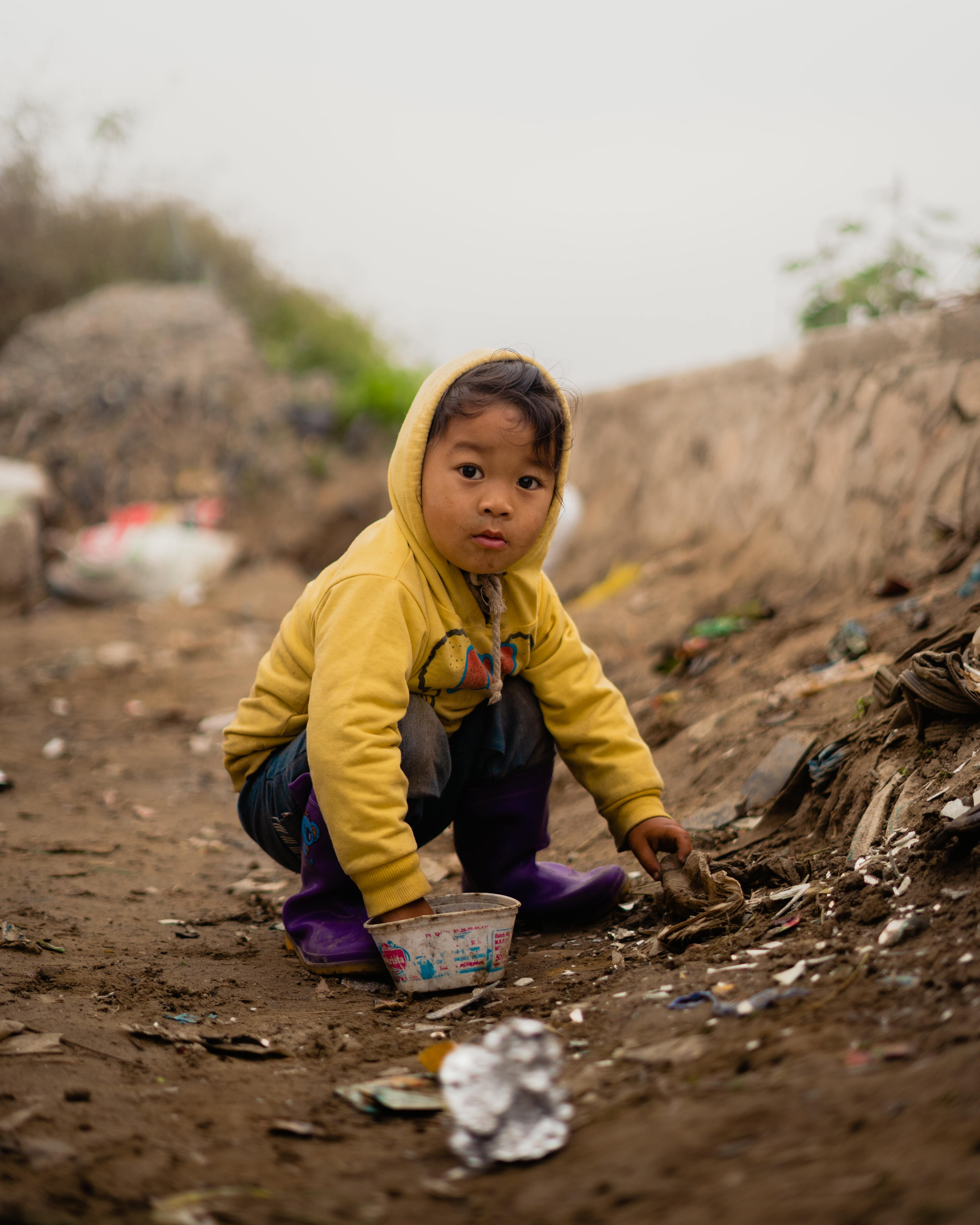
Key factors like poverty and instability can push vulnerable individuals into dangerous situations. Other circumstances including weak laws and political conflict create gaps in protection where traffickers can exploit those in need of help.
Poverty and Economic Instability
You'll always find that there are higher risks of trafficking in areas where poverty exists. Lack of adequate income, job opportunities, or social support system can force vulnerable people into becoming victims of trafficking.
Organizations like the International Labour Organization and the U.S. Department of State consider poverty a major factor in reports such as the Trafficking in Persons Report. Sex trafficking victims and labor trafficking victims are commonly found among displaced families and migrant workers due to increased instability.
Organizations like Polaris (the Polaris Project) and local service providers like Hope Against Trafficking in Pontiac, Michigan work with identified victims and other community groups to combat human trafficking as well as provide victim services and emergency housing.
Political Conflict and Lack of Enforcement
Trafficking networks and criminal activity grows with the increase of political conflict and the lack of enforcement efforts, leading to higher human trafficking statistics. When there are less patrols and limited prosecution under federal laws like the Trafficking Victims Protection Act, vulnerable individuals are more at risk.
Human Trafficking in Michigan
While human traffickers abduct, manipulate, and enslave people in other countries worldwide, the United States is no exception. Michigan is frequently at the forefront of the conversation when it comes to human trafficking in the United States. U.S. citizens are equally at risk of trafficking.
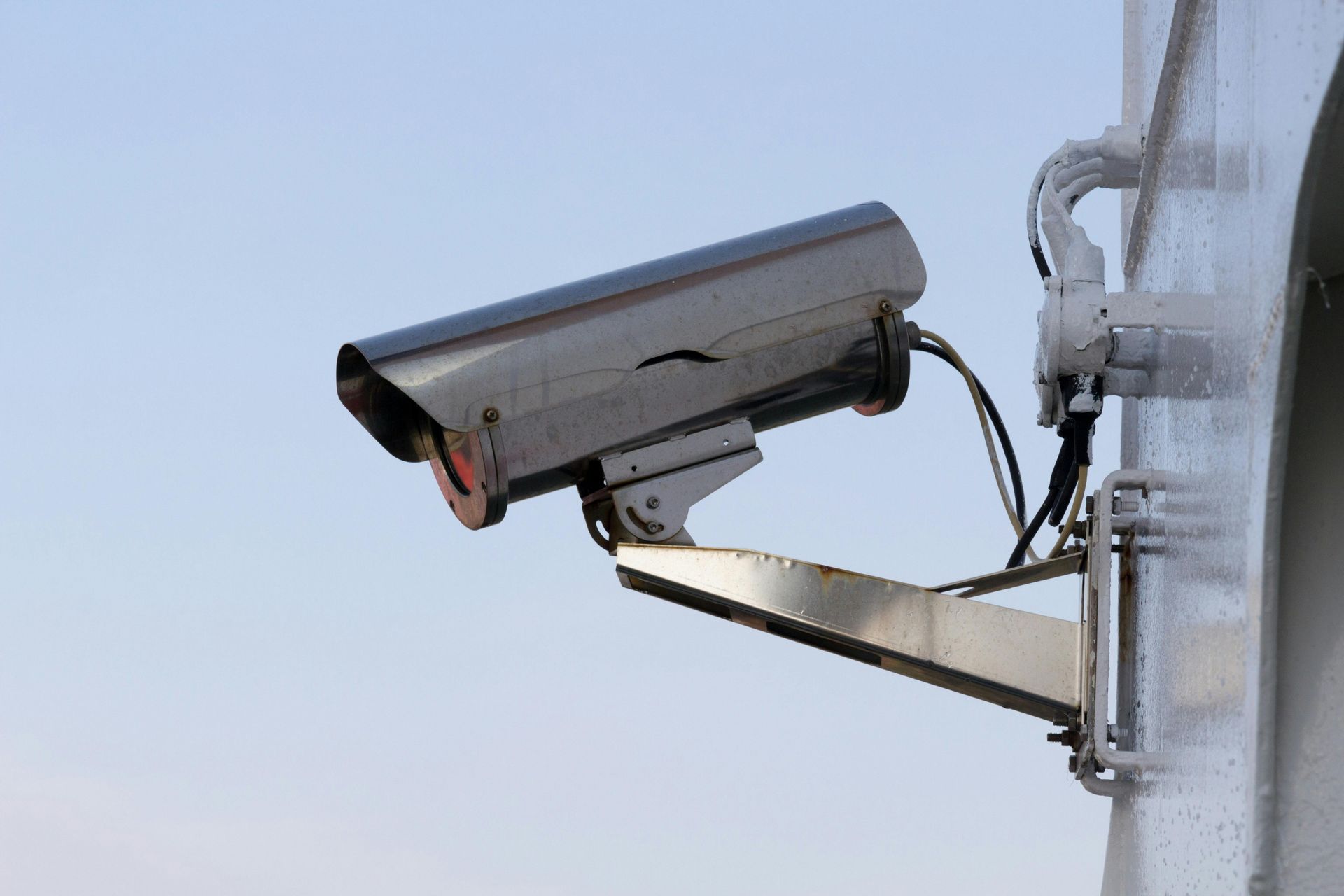
In fact, since 2007, Michigan has documented 3307 cases as well as 6909 victims. Law enforcement and investigators leverage tools and surveillance systems like Department of Transportation cameras and red-light cameras on major roads.
These cameras help monitor any suspicious activity in common trafficking areas. Police can access security footage recorded at gas stations, ATMs, or department stores to identify suspects, potential victims, and help prevent this modern slavery.
Supporting local anti-trafficking organizations committed to combating issues like child trafficking, involuntary servitude, and debt bondage can make a significant difference in stopping modern-day slavery. If you suspect trafficking in your community, contact the National Human Trafficking Hotline immediately.
Public Awareness and Trafficking
While human trafficking is a global issue that affects millions of people every year, you can still find it happening right here in Michigan. It occurs in every country, including Asia, Africa and the Americas, and there are specific factors and circumstances that regularly make this crisis worse, such as poverty and political unrest.
Being aware of how and where human smuggling is happening can help build public awareness and encourage others to start to recognize the warning signs of child labor and other forms of trafficking.
You can support local organizations like Hope Against Trafficking to help combat commercial sexual exploitation and domestic servitude in Michigan. Your attention can make a difference for those on the path to recovery.
FAQs
1. Where does human trafficking occur the most?
Human trafficking is occuring regularly on a global level. A global report has revealed a high prevalence of human trafficking in regions such as South America, Central America, West Africa, North Africa, the Middle East, Central Asia, as well as East Asia. It has also been found in the United Arab Emirates and North America. In the United States, Michigan, North Carolina and West Virginia have experienced increased levels of trafficking too.
2. What types of human trafficking exist?
There are a few types of human trafficking. Forced labor includes women, children, or even men forced into the sex trade, or doing domestic work. Child sex trafficking or the use of child soldiers has also been found. Traffickers leverage a use of force, manipulation, or coercion to commit such acts.
3. How do criminal organizations run trafficking networks?
These criminal organizations transport their victims over borders and in between cities using fake identity documents. They frequent entertainment venues that act as a front for illegal activities and hide their victims in homes doing domestic work and other household jobs.
4. What laws and services help combat trafficking?
Human trafficking laws establish criminal punishments for traffickers while protecting human rights. U.S. authorities and NGOs also work to combat trafficking. For example, survivors can access support like healthcare and legal help through local groups like Hope Against Trafficking. Check Polaris and official sites to contact trusted hotlines, and be careful to not share the sensitive information of victims on any non-official websites.
5. What should I do if I suspect trafficking?
Do not attempt to confront any suspect or victim. Call your local authorities or Polaris right away to report a tip. Provide clear information, times and locations. Your tips can help combat trafficking and help a victim of human trafficking.