Why Child Trafficking Destroys Lives And How To Help Victims🦋
Millions of people are subject to forced labor worldwide every year, including millions of children. Child trafficking is happening in everyday settings such as homes, schools, hotels, and more.
The United Nations and the Office on Drugs and Crime treat this issue as a
core child protection concern. This is because children can be exploited without the legal proof standards required in many adult cases. Keep reading to learn more about the signs and how you can stop human trafficking.
Key Takeaways
- Child trafficking occurs when a child is exploited for labor or sexual purposes using force, fraud, or manipulation. It affects millions worldwide and can happens in any country, including the U.S.
- Myths about trafficking can mislead people. For example, it does not always involve kidnapping or moving victims across borders. Traffickers may be family members or trusted individuals.
- Victims may show signs of fear, isolation, branding tattoos, or appear to be under the control of others. Runaway and homeless youth are highly vulnerable targets.
- Help victims by reporting to the National Human Trafficking Hotline (1-888-373-7888) or contacting child welfare systems.
- Support anti-trafficking organizations like Hope Against Trafficking that offer training tools and survivor-centered programs.
What is Child Trafficking?

Child trafficking is the exploitation of minors through force or manipulation. Under the Palermo Protocol, harboring and transportation are part of the legal framework, but movement is not required. A child can be trafficked within the same neighborhood, in the same school district, or even from the same home. This is why professionals stress that trafficking is not synonymous with abduction.
Many legal systems do not require proof of force, fraud, or coercion to establish sex trafficking of a minor. This child-specific standard reflects a basic legal judgment: children cannot consent to commercial sexual exploitation. The law focuses on the exploitative act instead of whether overt threats can be shown.
Trafficking vs smuggling is a another critical distinction. People often confuse exploitation with border crossing. Human smuggling usually involves consent to illegal transport across a border for a fee. Trafficking is ongoing exploitation that can occur with no border crossing at all.
Trafficking vs. Smuggling vs. Kidnapping
UNODC notes that smuggling generally ends after the victim's arrival, while trafficking is ongoing. Kidnapping can occur, but it is not the most common pathway into trafficking. Many cases involve grooming, manipulation, debt, fear, or family pressure. Prevention must focus as much on relationships and vulnerability as on awareness with strangers.
Common Forms of Child Trafficking
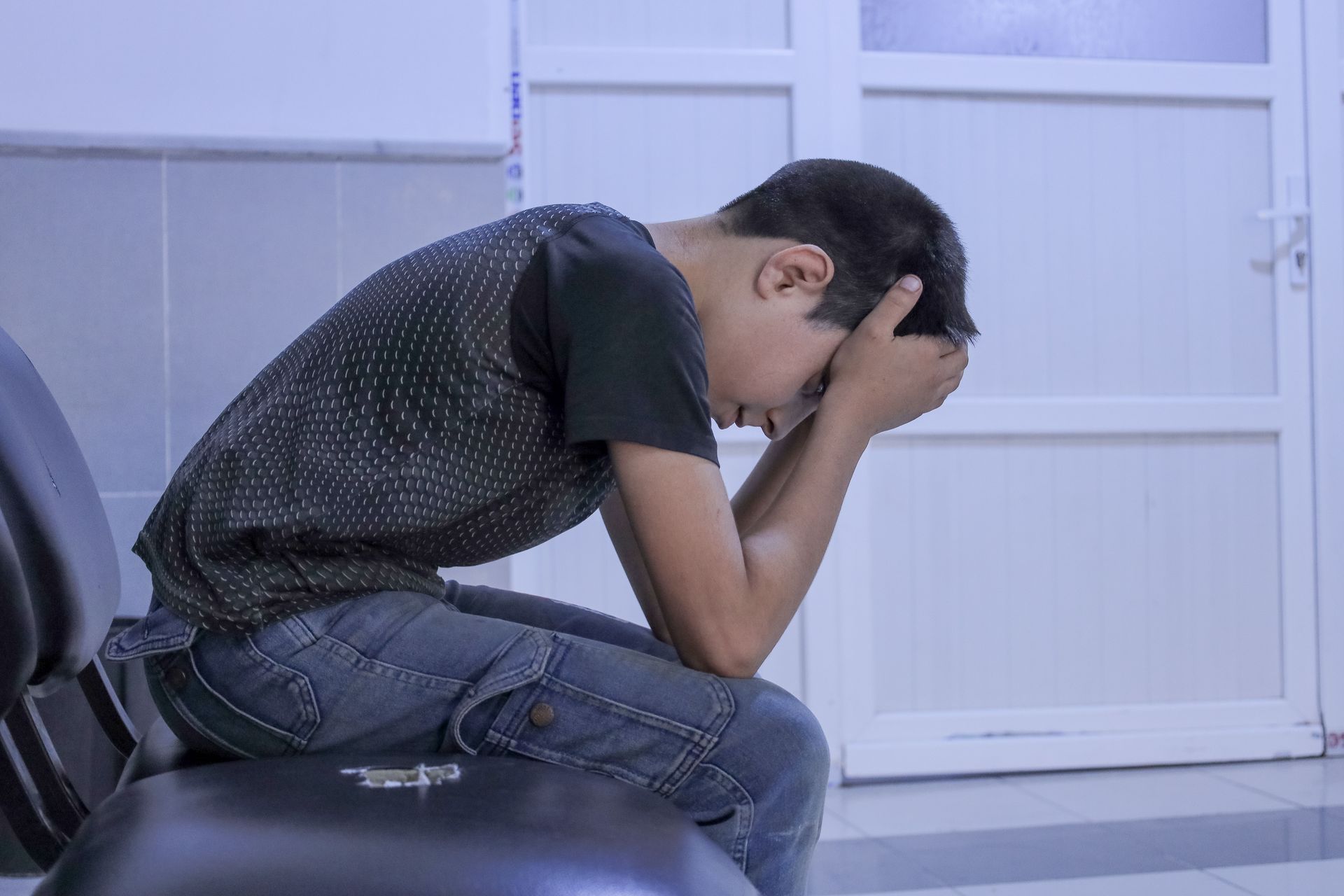
The trafficking of children takes multiple forms. UNICEF USA and other child protection organizations consistently note that both sexual exploitation and forced labor affect minors across legal and illegal markets.
Child sex trafficking occurs whenever there is commercial sexual activity involving a minor. The exchange may involve money, shelter, food, drugs, transportation, or gifts. Traffickers often disguise their payment as help or support.
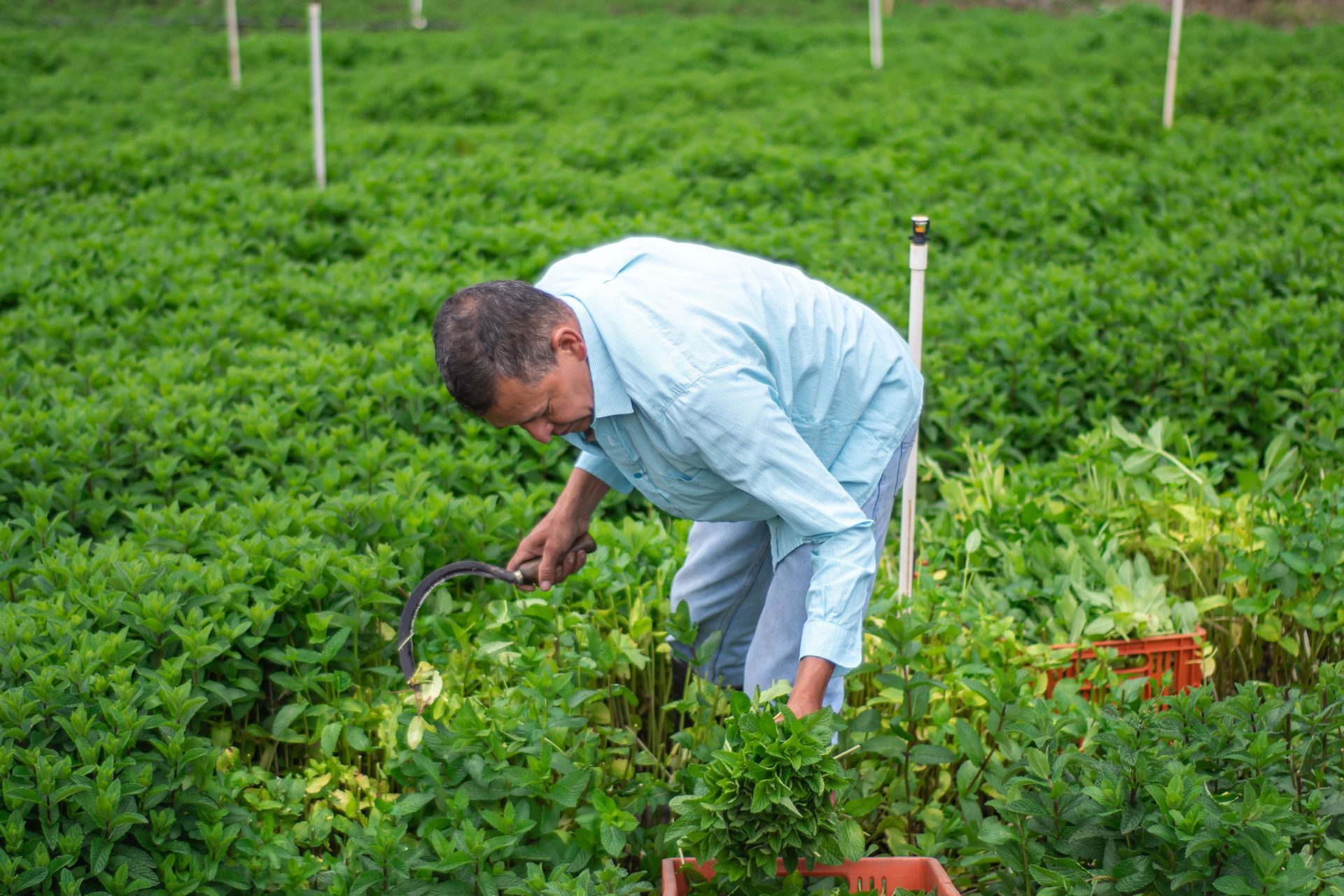
Labor trafficking can appear in industries including agriculture, domestic work, hospitality, construction, street vending, and factories. Ordinary businesses or households often hide forced labor involving children. This makes it harder to identify from everyday labor.
Similar abuses can overlap with both sex and labor trafficking. These include forced criminality, forced begging, and online exploitation. In some legal and policy contexts, trafficking for forced marriage is also recognized. This is especially true when a child is controlled for labor, sex, or reproductive exploitation.
Child Sex Trafficking
A commercial sex act involving a minor is exploitative even when the child appears to cooperate. The FBI has repeatedly warned that traffickers profit through hotels, residences, escort arrangements, illicit massage businesses. They also are increasingly using online recruitment tactics with social media grooming and encrypted messaging.
Online facilitation has changed the speed of recruitment. Social media grooming, sextortion, livestreaming, and image-based coercion allow exploiters to build trust, isolate victims, and monetize abuse. They no longer need prolonged physical control at the start.
Child Labor Trafficking
Child trafficking in the U.S. can involve debt bondage, withheld documents or pay, threats, and isolation from trusted adults. Domestic servitude is a high-risk form of trafficking. This is because abuse inside private homes is difficult for inspectors and neighbors to observe.
Examples of forced labor include farm work under extreme conditions, or factory work with unsafe machinery.
Who Is at Risk and Why

Traffickers exploit vulnerabilities, and the responsibility falls on the people and systems that fail to protect them.
Runaway and homeless youth face elevated risk because housing insecurity creates urgent needs for shelter, food, transportation, and belonging.
Children involved in foster care, juvenile justice, and unstable caregiving arrangements may also be targeted. This is common because traffickers look for those that leave home and have a lack of supervision.
Prior abuse, neglect, family conflict, discrimination, and social isolation can increase exposure to grooming. A child who is not supervised is often easier to manipulate. This is why stable relationships function as a major protective factor.
Situational and Systemic Risk Factors
Poverty, community violence, migration stressors, and limited access to mental health services can all increase vulnerability. Online exposure adds another layer of risk when children lack digital safety education. A minor who can't recognize grooming tactics, may end up in a dangerous situation long before any adult notices.
How Traffickers Identify and Target Vulnerabilities
Traffickers will often offer affection, gifts, food, rides, shelter, jobs, or modeling opportunities. However this depends on the child’s unmet needs. Grooming is effective because it feels relational before it becomes controlling. The trafficker may be a peer, intimate partner, family member, or even a trusted adult.
Warning Signs: What to Look For in Different Settings

Recognizing the signs requires looking for patterns in home, school, healthcare, and community settings. Adults should be concerned when they notice multiple signs, like fear, secrecy, sudden dependency, or unexplained gifts.
A child may avoid eye contact, lack access to a phone, or appear unable to speak privately. Context matters, but repeat patterns should trigger a careful, survivor-centered response.
Online signs deserve equal attention. Sudden secrecy, threats over images, or unexplained contact with older adults may indicate possible grooming or sextortion.
What to Do If You Suspect Child Trafficking
If there is immediate danger, contact emergency services first. Confronting a suspected trafficker first can escalate harm or cause the child to disappear from view.
Never investigate on your own but report trafficking immediately. Connect the child with those trained to assess this type of exploitation safely.
In the United States, the National Human Trafficking Hotline is a trusted resource. Local organizations like Hope Against Trafficking in Pontiac, Michigan can also support trafficking survivors. Explore our resources and programs, and donate to help survivors begin the process of rehabilitation today.
FAQs
1. What is child trafficking?
It is the exploitation of a minor through recruitment, transport, transfer, harboring, or receipt for purposes such as forced child sexual abuse or labor. In many legal systems, proof of force or coercion is not needed for a minor in commercial sex.
2. What are common signs of child trafficking?
Signs may include a controlling partner, unexplained gifts or money, fearfulness, chronic absenteeism, or excessive work hours. No single warning sign can prove someone is being exploited, but many indicators deserve attention.
3. Is kidnapping the most common way children are trafficked?
No. Many cases involve grooming, manipulation, coercion, or dependency. They by someone the child knows, including peers, partners, or family members.
4. What is the difference between child trafficking and human smuggling?
Human smuggling usually involves illegal border crossing for a fee and often ends after arrival. Trafficking is ongoing exploitation that can happen without crossing a border or moving at all.
5. How do I report suspected child trafficking?
If someone is in immediate danger, contact law enforcement, emergency services or the National Human Trafficking Hotline. You can also report any concerns to local authorities, groups like MissingKids.org, or child protective services.