How Victim Blaming Harms Survivors and How to Better Respond🦋
Research on disclosure after abuse often shows that survivors stay silent because they fear people will not believe them. In conversations about victim blaming, the response to harm can shape victim impact.
Understanding how and
why victim blaming occurs can help people approach victims in a positive manner. Keep reading to learn why a new approach is essential for healthier conversations.
Key Takeaways
- Victim blaming is when an individual holds a victim responsible for harm they experienced.
- Common examples include comments about clothing, behavior, or choices like walking alone at night. These shift blame away from offenders.
- Victim blaming hurts survivors by causing shame, silencing them, and discouraging reporting or seeking help. It can lead to PTSD, depression, and anxiety.
- A better response which supports survivors is to react with empathy and shift the focus back to offender accountability.
- Promote education around trauma-informed care. Advocate for change in systems that protect perpetrators over victims and focus on victim precipitation.
What is Victim Blaming?

Victim blaming occurs when individuals blame the person who was harmed rather than the person who caused the harm. This can appear as direct accusation, such as saying someone “asked for it.” It can also appear through victim-blaming language in questions. This may sound like “Why didn’t you leave?”, or “Why were you there?”
Validation and accountability can coexist, while blame and support cannot. A trauma-aware response can examine what happened, discuss safety planning, and still apply the responsibility to the offender. Perpetrator responsibility should always be emphasized when it comes to victims.
Definitions and Common Contexts
This pattern appears when responses to crime, sexual violence, harassment, or intimate partner violence focus on the target’s choices. It can surface in private conversations, police interviews, workplace investigations, school discipline processes, healthcare settings, and media coverage.
A useful test includes asking: who had control over the harmful act? When a response shifts attention from the abuser toward the person trying to survive it, blame has replaced analysis. The abuser may be guilty of crimes like coercion, assault, stalking, or trafficking.
How Victim Blaming Occurs: Patterns and Real-World Examples

Common victim blaming examples follow familiar scripts: “What were you wearing?” “Why were you drinking?” “Why were you out so late?” “You sent mixed signals,” or “You should have left sooner.”
These phrases sound different, but they all imply that because the victim did not prevent it, it equals fault. This is a false standard no one applies consistently to other crimes.
Subtle versions of this tend to pass as reasonable, but they still undermine victim credibility. People may use a skeptical tone, or make repeated requests for unnecessary detail.
Devil’s advocate framing is also common, or they may act surprised that someone stayed in an abusive relationship. These messages all communicate that the harmed person must prove innocence before receiving empathy.
Media and Online Commentary
Media framing shapes public judgment long before facts are complete. Headlines that focus on what the victim did can normalize suspicion and reduce empathy. This may also extend into where they went, or whether they fit the “perfect victim” stereotype.
Comment sections amplify this by rewarding certainty, stereotype, and outrage over nuance. Online commentary often reveals how quickly social bias becomes blame. This is especially true when race, class, disability, gender expression, or prior relationships enter the story.
Why People Victim Blame: Psychology and Social Drivers

Many people turn to blame because uncertainty feels threatening. The just-world hypothesis, and the invulnerability theory, explain why some prefer to believe bad things happen for a reason. This belief preserves the comforting idea that “if I act correctly, this will not happen to me.”
That impulse is psychologically understandable but socially dangerous. It turns another person’s suffering into a lesson around personal control. This protects the observer’s worldview while distorting the reality of coercion, manipulation, threat level, and violence.
Cognitive Biases Behind Blame
The fundamental attribution error leads people to overemphasize personal decisions and underweight context, threat, and constraint. In an abuse context, that means outsiders may judge a survivor’s behavior without accounting for fear, trauma responses, or direct intimidation.
Hindsight bias adds a second distortion by making warning signs look obvious after harm has occurred. Once the outcome is known, people assume the survivor should have predicted it. They believe this even though the available information before the event was incomplete, ambiguous, or manipulated.
Social Norms and Power
Gender norms and rape myths shape who is believed, who is doubted, and whose pain is minimized. Racism, classism, ableism, and stigma also affect credibility judgments. This means blame and minimization is often distributed along existing social hierarchies rather than factual evidence.
Power dynamics also play a role in blaming victims. Institutional betrayal is common, where companies protect reputation before truth. Families, workplace HR, schools, religious groups, and public figures may shift attention to the harmed person.
They know that acknowledging abuse would
expose failures of leadership, culture, or oversight. This can lead to blaming and gaslighting.
Why Victim Blaming Is Harmful: Effects on Survivors and Communities

The immediate effects often include shame, self-blame, anxiety, depression, and symptoms associated with post-traumatic stress. When outside messages mirror a survivor’s own doubts, the harm deepens. The person is forced to defend reality instead of focusing on safety and recovery.
This is not just an interpersonal problem, it's a public safety problem. Communities that normalize blame reduce reporting, weaken accountability, and create conditions where repeat offenders face fewer consequences in the legal system.
Barriers to Disclosure and Support
Barriers to reporting increase when survivors expect disbelief, punishment, or humiliation. People may avoid medical care, counseling, or workplace complaints because they anticipate being judged.
Secondary Victimization
Secondary victimization refers to additional harm caused by institutions or other people after the original abuse or crime. Dismissive questioning, minimizing language, credibility attacks, and procedural indifference can recreate powerlessness. This can happen even when someone presents the response as neutral.
What to Say Instead: Supportive, Trauma-Informed Responses
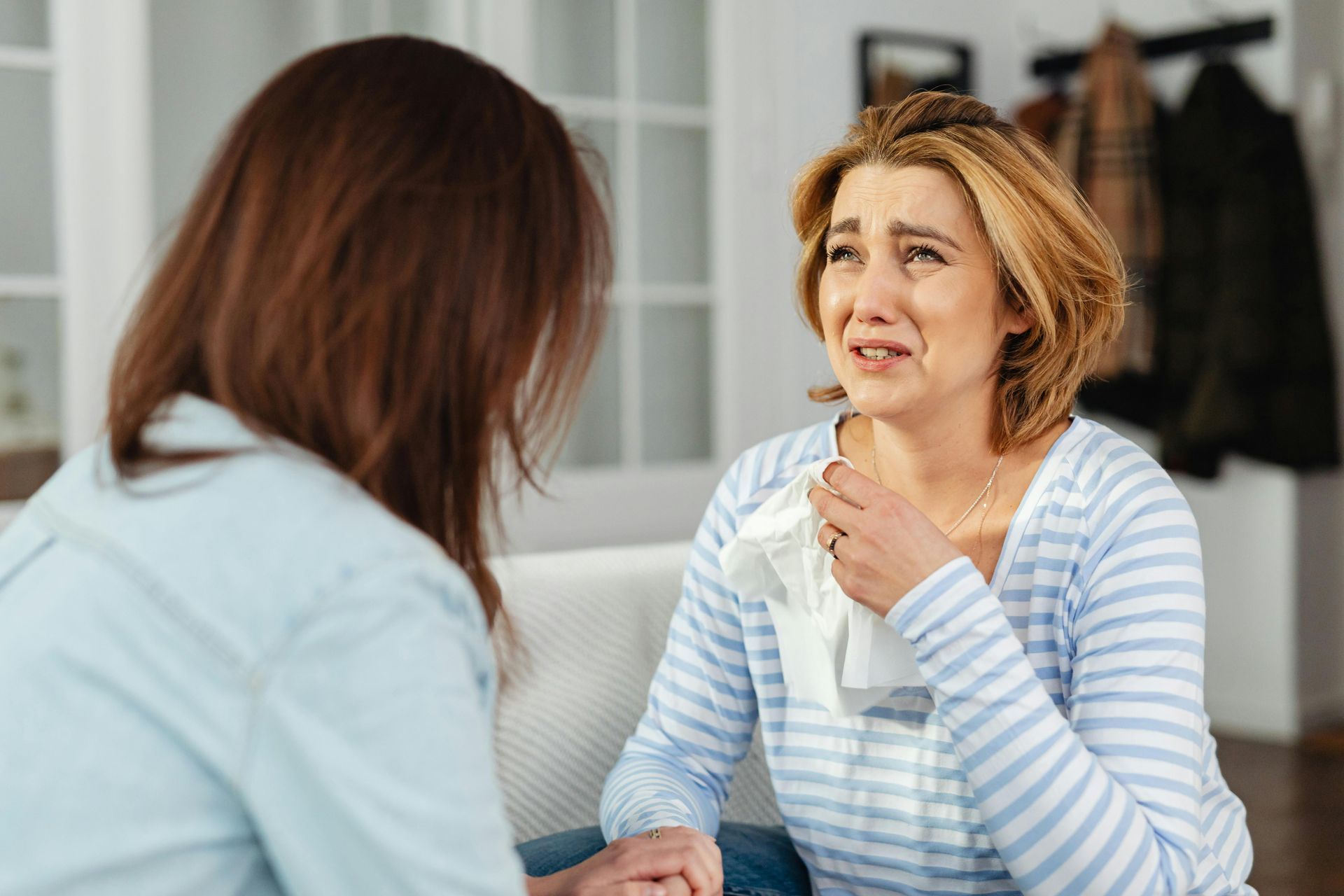
A supportive response starts with belief, clarity, and choice. A trauma-informed response and survivor-centered approach are essential. They keep the focus on safety, consent, and the responsibility on the person who caused harm.
Keep first responses simple because overwhelmed people need clarity. A supportive response can sound like: “I’m sorry this happened,” or “I believe you”. Other options include “It wasn’t your fault,” and “How can I support you right now?”
Helpful Phrases
Ask permission before shifting into options: “Would you like to discuss what might help next?” This phrasing respects autonomy, which is critical after an experience defined by loss of control.
Offer concrete help without pressure, such as finding resources, taking someone to an appointment, or helping with safety planning. Practical support matters most when it expands choice rather than directing the survivor toward the path others prefer.
What Not to Do
Avoid “why” questions that imply fault, avoid comparing the event to your own experience, and avoid demanding detailed proof. Do not promise legal, workplace, or family outcomes you cannot control. False certainty can compound distress when systems fail.
Support Survivors Of Abuse
Victim blaming hurts survivors and protects wrongdoers. It shifts blame away from the offenders, making justice harder to achieve. You can help by offering support, listening without judgment, and rejecting harmful stereotypes.
Hope Against Trafficking in Pontiac, Michigan is working to protect victims every day. Through effective victim services and victim advocacy, we can uplift those who have experienced wrongful acts, like sexual assault or domestic violence. Get involved with our anti-trafficking efforts by sending us a message today.
FAQs
1. What is an example of victim blaming?
Someone asking, “What were you wearing?” or, “You should have known better.” is victim blaming. These statements imply the person harmed caused or deserved the abuse.
2. What do you mean by victim blaming?
Victim blaming occurs when a person assigns responsibility to the person who was harmed instead of the person who caused it. The blame can be explicit or hidden inside skeptical questions and insinuations. This is common with female victims, and victims of rape.
3. How to handle being victim blamed?
Set a boundary and name the shift: “This feels like blaming. I need support, not judgment.” If it continues, limit contact, document relevant exchanges, and seek help from a trusted person or advocate.
4. Is victim blaming manipulative?
It can be. Sometimes people use blame to deflect accountability, control the narrative, or pressure someone into silence. However, in other cases it comes from ignorance, bias, or fear.
Recognizing blame is the first step toward changing the response. Better language, stronger boundaries, and survivor-centered systems do not eliminate harm. They do however reduce secondary damage and make accountability more possible.