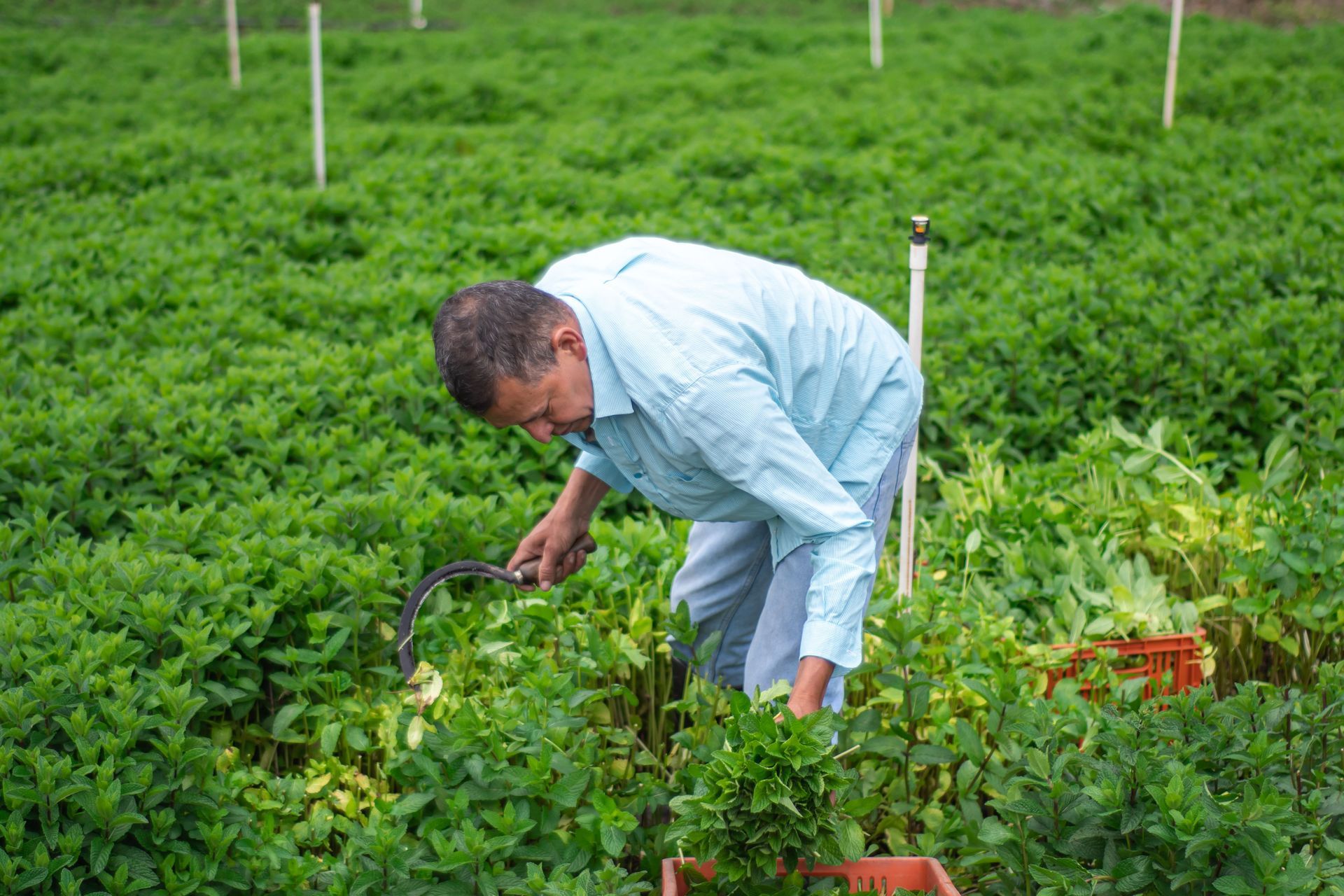
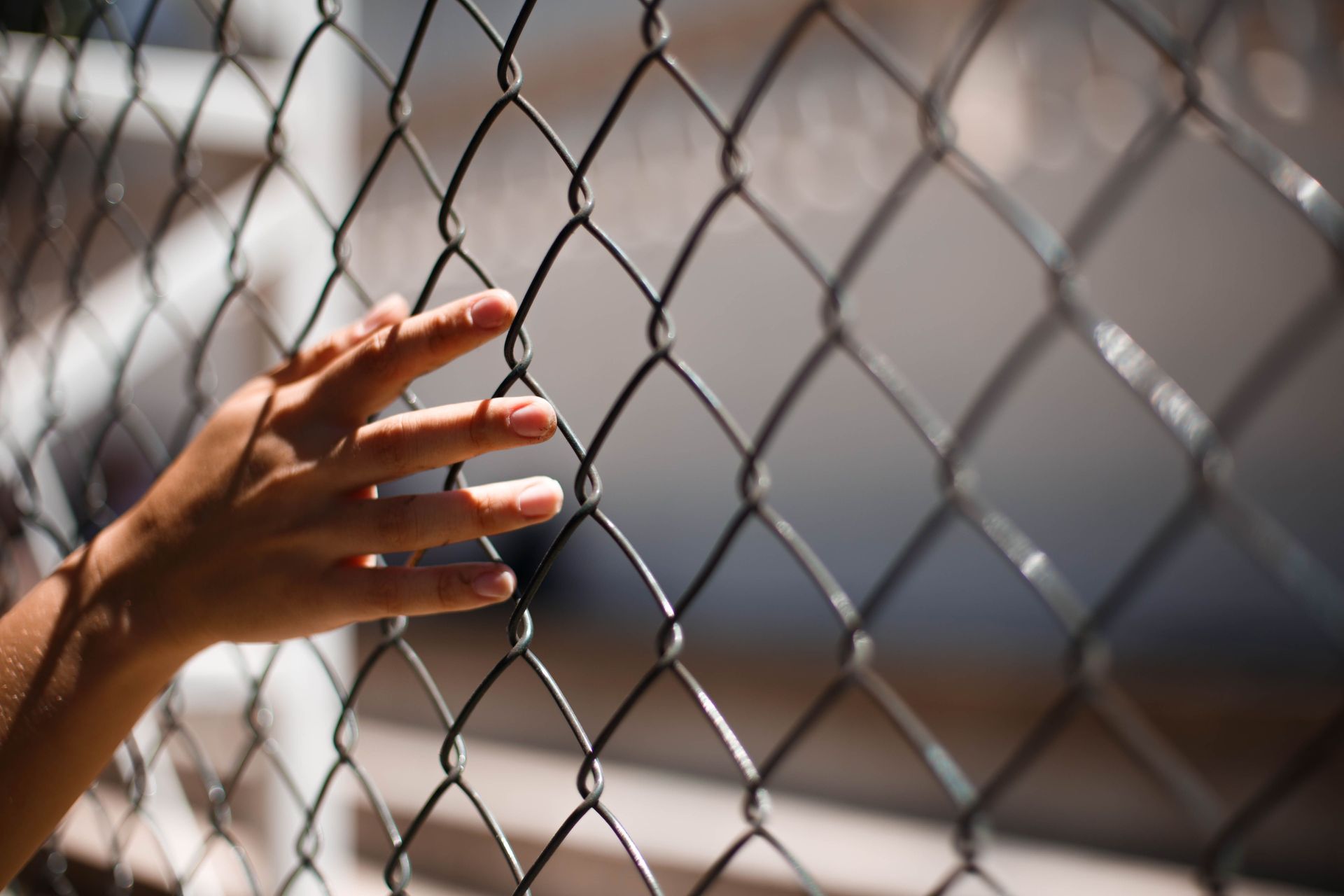
A Crisis In Plain Sight: Human Trafficking Victims In Hotels🦋
Did you know that human trafficking victims are often hiding in clear day? This is especially true when it comes to hotels and motels. Many traffickers use hotels as a place to trap their victims and hide them away from view.
If you know what to look for, the signs are not that difficult to spot. That's why it's critical that the general public as well as hotel and motel staff are well versed on identifying human trafficking victims and knowing what to do next.
This awareness is essential if you want create change right here in Pontiac, Michigan. Keep reading to find out how to help victims of trafficking.
Key Takeaways
- Human traffickers use hotels for sex and labor trafficking because it's easy to control their victims' every move, sometimes, by use of force.
- Warning signs of trafficking include guests who appear to not be able to speak for themselves, those showing signs of injury or fear, and those always accompanied by someone else.
- Many trafficking victims do not ask for help because of language barriers, or they are fearful of police and public shame.
- Hotels now train their staff to recognize signs of human trafficking. They learn to spot red flags and to report suspicious activity.
- Building awareness in communities and providing better education among hotel staff can save lives. The National Human Trafficking Resource Center and local groups like Hope Against Trafficking offer resources for awareness too.
The Role of Hotels in Human Trafficking
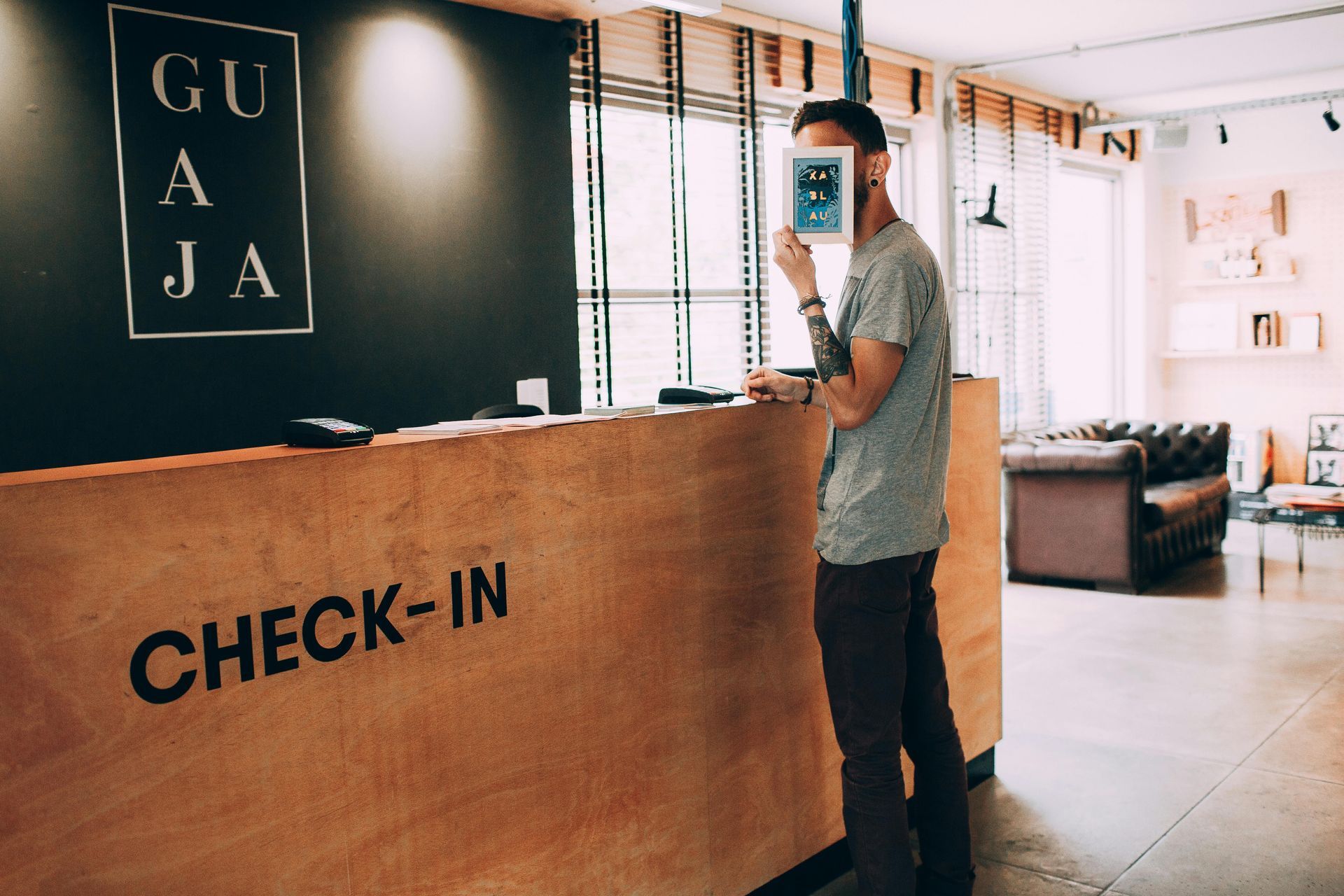
Hotels are a convenient hiding place for human traffickers to exploit vulnerable people, often promising them a better life while trapping them into forced labor or sexual exploitation.
This is paragraph text. Click it or hit the Manage Text button to change the font, color, size, format, and more. To set up site-wide paragraph and title styles, go to Site Theme.
In trapping their victims, traffickers lure people into bad situations, often through false promises of earning fast cash or a better life. Hotels serve as their headquarters for modern-day slavery and commercial sex acts.
Human traffickers are able to keep tabs on their victims closely inside hotel rooms. They are able to control every aspect of their lives...food, sleep, and communication.
This environment provides criminals with plenty of ways to hide from law enforcement agencies. Additionally, short stays help traffickers move potential victims quickly so rescue becomes difficult for task forces or social services.
Common signs of trafficking in hotel environments
There are many
warning signs that can tell you someone has become involved in a human trafficking situation. Here's what to look for:
- Look for guests who are always with someone else. This other person does all the talking and manages all the important papers like passports.
- Guests may show signs of physical injury like bruises or cuts.
- Note any individuals that don't look like they can leave their room freely or look scared when they talk to hotel staff.
- Watch out for younger, high school age guests with adults who don't seem to be family members. They may be switching between rooms often.
Challenges in Identifying and Assisting Victims
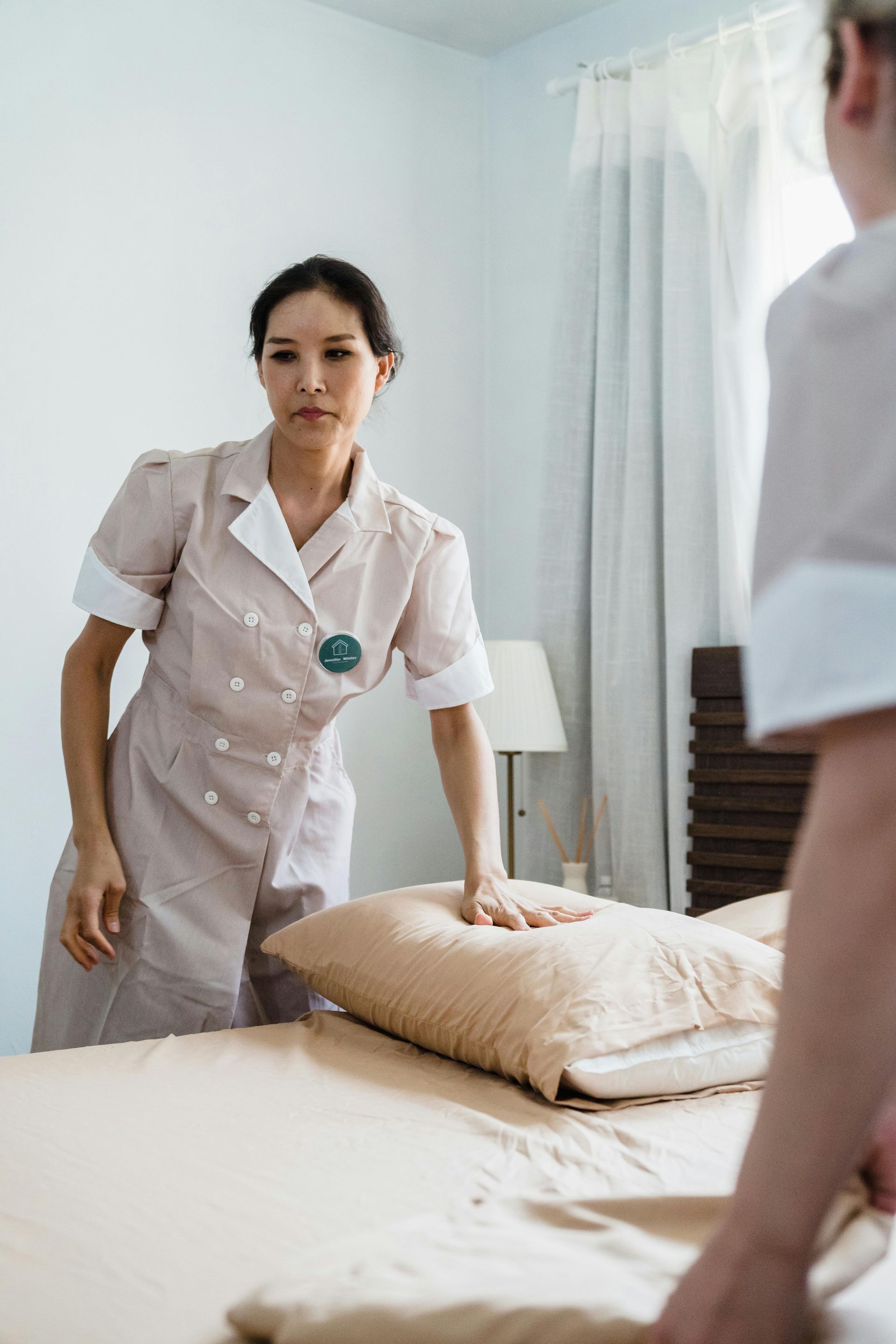
Victims of human trafficking face many problems inside hotels. Language and cultural gaps often prevent many from asking for help from law enforcement officials and hotel staff.
Many are afraid of officers because they may not have legal immigration status, are foreign nationals, or have past criminal activity due to their traffickers. Hotel workers and even healthcare providers can have difficulty detecting victims of sex trafficking, labor trafficking, domestic servitude, and debt bondage.
Even worse, survivors may not have any support network. No one they know to provide food, shelter, or legal assistance. This makes escaping feel impossible and hopeless.
Initiatives to Combat Trafficking in Hotels

Hotels can play a big part when it comes to stopping involuntary servitude. By training staff and arming them with resources, they can help local authorities end this crime.
Training hotel and motel staff to recognize and report trafficking
Training staff is one of the easiest ways hotels can begin to combat human trafficking.
Staff members are usually the first people to notice signs of abuse.
- Training programs educate staff on common signs of trafficking, so they can alert authorities when needed.
- Staff can report suspicious behavior like frequent room changes or noticing markings or injuries on guests. They should also be able to identify victims who appear isolated or scared.
- Hotel workers are encouraged to contact their supervisor or essential resources like the National Human Trafficking Hotline at 888-373-7888 if they suspect trafficking.
- Hotels can partner with local law enforcement to improve response times and ensure that experts can help victims quickly after an incident is reported.
Breaking the Cycle
The fight against human trafficking is ongoing, but the hospitality industry can make a difference. Hotels play a big role, often unknowingly hosting victims; however, by raising awareness in your community and within the industry, we can begin to combat this sex trade crisis.
Training hotel and motel staff is a major step that can help staff spot early warning signs and get help. Simple actions like these can break the cycle of exploitation and bring renewed hope to survivors of sex trafficking, creating safer spaces for all.
FAQs